 (Image source: Gemini)
 This convenience comes with a hidden cost. The psychological triggers used by modern retailers (think countdown timers, "only 2 left" warnings, and one-click purchasing) are designed to bypass your rational brain. They want you to act on impulse because impulse is where the profit lives. But when you react instead of plan, you don't just lose money to high prices. You also open the door to scammers who have become masters of the "too good to be true" offer. Finding the balance between the ease of online shopping and the safety of your bank account is the key. It's about taking back control of the transaction. You don't have to stop shopping online, but you do need to upgrade your toolkit to handle the sophisticated environment of 2026.
Proven Approaches for Stretching Your Budget
If you're paying the sticker price on a major website, you're volunteering to pay a "laziness tax." There are so many ways to lower the price that it's almost a sport. Experts recommend a method called "stacking," which is exactly what it sounds like. You layer different discounts on top of each other until the final price looks nothing like the original.
Think of stacking as a three-level process. First, you start with a cashback extension like Rakuten or Capital One Shopping. These tools give you a percentage of your purchase back just for clicking a button. Second, you use a coupon aggregator like Honey to scan for valid promo codes. Third, you pay with a discounted gift card from a site like Card Depot. Since gift cards are a form of payment rather than a promotion, they often work even when the store says "coupons cannot be combined."⁶
Timing the Market
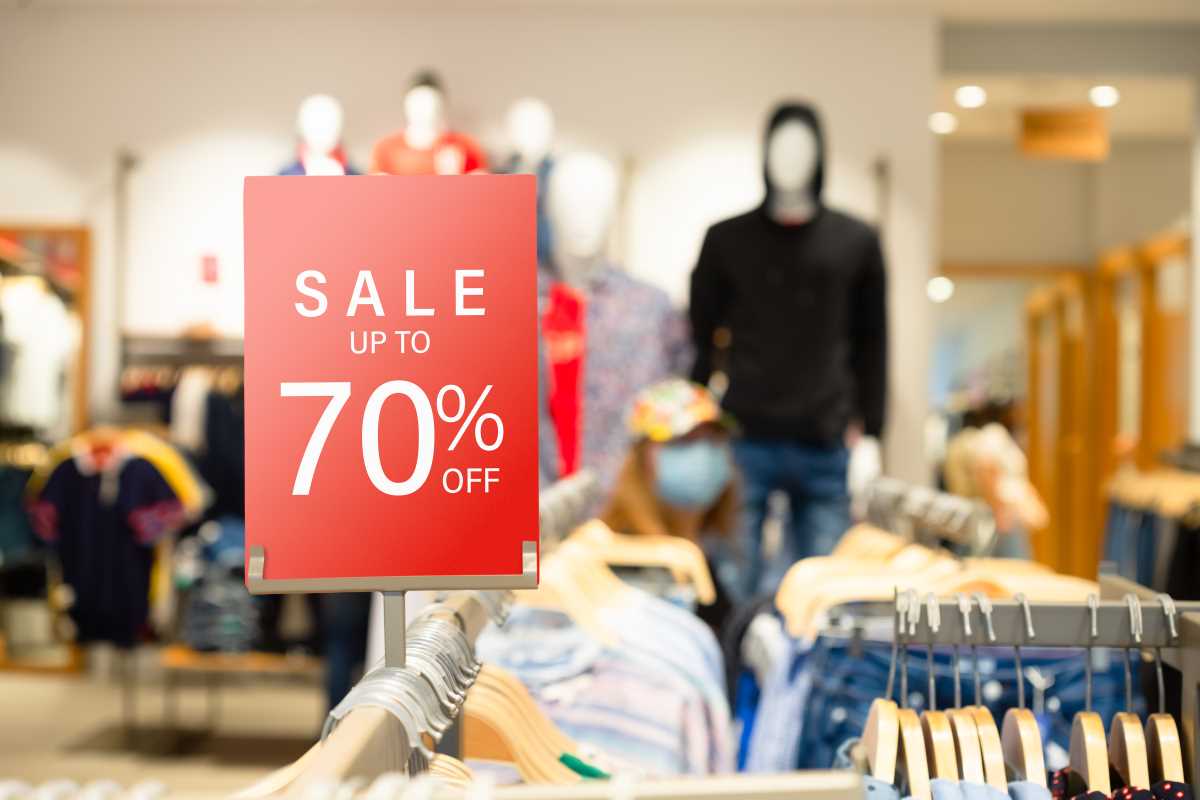
Don't trust a "Sale" tag just because it's red. Research has shown that about 36% of items sold during major events like Black Friday aren't actually at their lowest price of the year. To beat this, you need to use price tracking tools. Sites like Camelcamelcamel allow you to see the 90-day or even year-long price history of an item on Amazon. If you see that a "deal" was $10 cheaper three weeks ago, you know to wait.
Another clever trick is the "cart abandonment" approach. If you're logged into your account, add items to your cart and then just close the tab. Retailers hate "lost" sales. Frequently, they'll send you an automated email 24 to 48 hours later with a 10% or 15% discount code to entice you to finish the purchase. It doesn't work every time, but it's a great way to get a discount on brands that rarely have public sales.
Identifying and Avoiding Common Shopping Scams
The space of fraud has shifted dramatically over the last two years. In 2024, the FTC reported that fraud losses hit a staggering $12.5 billion.¹ That's not just a statistic. It's a warning that the bad actors are winning more often. They're using generative AI to create "Ghost Stores" that look as professional as any major retailer but exist only to steal your data or ship you a box of rocks.²
These stores are the ultimate digital trap. Scammers use AI to scrape high-resolution images and reviews from real brands like Nike or Lululemon. They then launch thousands of these sites at once, often using domains that end in ".shop" or ".top" instead of ".com." If you see a pair of designer boots for $29 that normally cost $200, it's a ghost store. You might receive a cheap counterfeit, or more likely, you'll receive nothing at all while the scammer now has your credit card number and home address.
Have you seen a video of your favorite celebrity "giving away" free MacBooks or promoting a massive clearance sale? Be extremely careful. Deepfake technology has become so good that it's nearly impossible to tell a real video from an AI-generated one. In early 2025, one victim lost $60,000 to a deepfake "Kevin Costner" on Telegram who promised investment returns.⁴ On social media, about 70% of fraud victims report that the initial contact happened through a platform like Facebook or Instagram.⁵
Securing Your Financial Information Online
One of the simplest things you can do to protect yourself is to stop using your debit card for online purchases. Period. If a scammer gets your debit card info, they have a direct line to your actual cash. It can take weeks for a bank to investigate and return that money to your account. With a credit card, you're spending the bank's money, and federal law gives you much stronger protections for disputing fraudulent charges.
If you want to take it a step further, look into virtual credit card numbers. Services like Privacy.com or the built-in features in many premium credit cards allow you to create a "burner" card number for a specific store. You can set a spending limit of $50 on that card, and even if the store's database is hacked, the leaked card number is useless to the hackers. It's the digital equivalent of using a disposable glove to handle something messy.
Don't forget the basics of account hygiene. Using the same password for your email and your favorite shopping site is an invitation for disaster. If one site gets breached, the hackers will immediately try those credentials on every other major platform. Use a password manager and always enable multi-factor authentication (MFA). That extra five seconds it takes to type in a code from your phone could save you thousands of dollars.
The Role of Consumer Rights and Recourse
Even the smartest shoppers occasionally run into trouble. Maybe the item arrived broken, or maybe it never arrived at all. Your first line of defense is always the retailer, but you should keep a "digital paper trail" for every single transaction. This means saving your confirmation emails, taking screenshots of the item description at the time of purchase, and keeping records of any chats with customer service.
If the retailer refuses to help, don't be afraid to initiate a chargeback with your credit card company. This is a formal dispute process where the bank pulls the money back from the merchant. It's a powerful tool, but use it fairly. Only use it when a merchant has clearly failed to deliver what was promised and refuses to issue a refund.
You can also use consumer protection platforms. Filing a report with the Better Business Bureau or the FTC doesn't always get your money back immediately, but it helps these agencies track patterns of fraud and eventually shut down the bad actors. Publicly sharing your experience on review sites like Trustpilot can also warn other consumers before they fall into the same trap.
Building Sustainable Shopping Habits
The best way to save money isn't just about finding the best coupon. It's about changing how you think about buying. We live in a world of "boredom shopping," where we scroll through apps because we're tired or stressed. One of the most effective habits you can adopt is the "Weekly Shopping Hour." Instead of buying things the moment you see them, save them to a list or a cart and wait until a designated time (like Sunday morning) to review everything.
When you see all your potential purchases at once, the total cost often provides a much-needed reality check. You'll likely find that half the things you wanted on Tuesday don't seem that important by Sunday. This "speed bump" in your decision-making process is the most effective tool you have against impulse spending.
Staying safe and saving money in 2026 isn't about being a tech genius. It's about being intentional. By using price trackers, verifying every "too good to be true" offer, and protecting your financial data with virtual cards, you're no longer a target. You're a smart consumer who knows how to play the game and win.
This article on WalletSteps is for informational and educational purposes only. Readers are encouraged to consult qualified professionals and verify details with official sources before making decisions. This content does not constitute professional advice.
 (1).jpg)