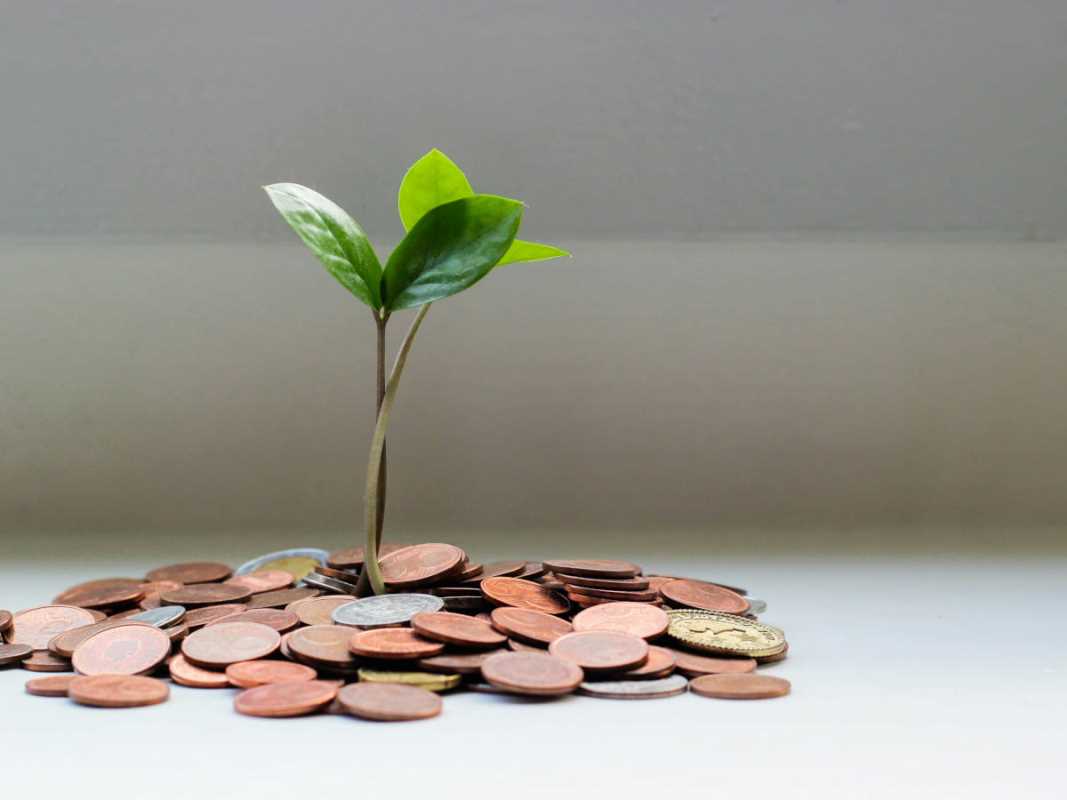
Investing with a conscience has transformed from a niche trend into a powerful global movement. 2025 marks a turning point where financial growth and environmental stewardship go hand in hand. You no longer have to choose between building wealth and protecting the planet. Smart money is flowing into sectors that prioritize sustainability, innovation, and long-term health for our world. This shift offers exciting possibilities for investors who want their portfolios to reflect their values. We designed this guide to help you navigate the expanding landscape of green finance. We will explore the most promising opportunities available today, from renewable energy advancements to breakthroughs in sustainable agriculture. Let’s discover how you can grow your money while making a positive impact.
The Evolution of Renewable Energy
Renewable energy remains the cornerstone of green investing, but the landscape is evolving rapidly. Solar and wind power are now established industries, yet they still offer tremendous growth potential as technology improves and costs decrease. Countries around the world are committing to ambitious carbon-reduction goals, which drives demand for clean energy solutions.
Beyond Just Solar Panels
Solar energy is becoming more accessible and efficient. Companies are developing new types of solar cells that can generate power even on cloudy days or be integrated directly into building materials like windows and roof tiles. Wind energy is also expanding, particularly in offshore locations where winds are stronger and more consistent. Investors should look at the entire supply chain, not just the companies that make the panels or turbines. This includes the businesses that manufacture the specialized parts, the software companies that manage energy distribution, and the utilities that are actively transitioning their grids to renewable sources.
The Critical Role of Battery Storage
Producing clean energy is only half the battle; we also need to store it. The sun does not always shine, and the wind does not always blow. Energy storage solutions are essential for a reliable green grid. Lithium-ion batteries have been the standard, but 2025 is seeing a surge in interest for solid-state batteries and long-duration storage technologies. These innovations promise to hold more energy for longer periods and are safer to operate. Companies leading the charge in battery technology are poised for significant growth as they solve one of the biggest hurdles in the renewable energy transition.
Sustainable Agriculture and Food Systems
Feeding a growing global population while preserving our natural resources is a major challenge. Sustainable agriculture offers solutions that protect the land while maximizing food production. This sector combines traditional farming wisdom with cutting-edge technology to create a more resilient food system.
Technology on the Farm
Precision agriculture is changing how farmers work. Using drones, sensors, and artificial intelligence, farmers can monitor crop health, soil moisture, and pest levels in real-time. This data allows them to use water, fertilizer, and pesticides only exactly where needed, reducing waste and environmental runoff. Companies that develop these ag-tech tools are becoming indispensable partners to the farming industry. Investing in this technology supports a shift toward smarter, more efficient food production that is better for the planet and more profitable for farmers.
The Rise of Vertical Farming
Traditional farming requires vast amounts of land and water, but vertical farming turns that model on its head. This method involves growing crops in stacked layers indoors, often in controlled environments that require zero pesticides and significantly less water. These facilities can be built in or near major cities, drastically reducing the carbon footprint associated with transporting food. While still a developing industry, vertical farming is attracting attention for its ability to provide fresh, local produce year-round. Investors interested in food security and urban sustainability will find this an exciting area to watch.
Innovations in Eco-Friendly Technology
Green investing extends far beyond energy and food. Technology permeates every aspect of our lives, and eco-friendly innovations are reshaping industries from manufacturing to waste management.
The Circular Economy
Our current economic model is often described as "take-make-dispose," but the circular economy aims to change that. This approach focuses on keeping resources in use for as long as possible through recycling, repairing, and repurposing. Companies that specialize in advanced recycling technologies are turning plastic waste into new raw materials. Others are creating biodegradable packaging to replace single-use plastics. Investing in the circular economy supports businesses that view waste not as trash, but as a valuable resource waiting to be used again.
Green Building Materials
Construction has historically been a major source of carbon emissions, but that is changing. Innovators are developing low-carbon concrete, recycled steel, and sustainable insulation materials. Some companies are even using mass timber—engineered wood products—to build skyscrapers that sequester carbon rather than emitting it. These materials improve the energy efficiency of buildings and reduce the environmental impact of new construction. As cities continue to grow, the demand for sustainable building solutions will likely increase, offering a solid opportunity for forward-thinking investors.
The Future of Transportation
The shift away from fossil fuel-powered vehicles is accelerating. Electric vehicles (EVs) are becoming more common, but the investment opportunities go deeper than just the car manufacturers.
Electric Vehicles and Infrastructure
Major automakers are transitioning their fleets to electric, but the success of this transition depends on infrastructure. We need a vast network of charging stations to support millions of new EVs on the road. Companies that build, operate, and maintain these charging networks are critical players in the green transportation ecosystem. Additionally, the need for EV components, such as electric motors and specialized tires, creates a ripple effect of opportunity across the automotive supply chain.
Sustainable Aviation and Shipping
Cars are just the beginning. The aviation and shipping industries are also under pressure to decarbonize. Sustainable aviation fuel (SAF), made from renewable resources like cooking oil or agricultural waste, is gaining traction as a way to reduce emissions from air travel. Similarly, the shipping industry is exploring wind-assisted propulsion and green hydrogen fuels. These sectors are harder to decarbonize than road transport, meaning the companies that crack the code on clean innovation here could see substantial rewards.
Water: The Most Precious Resource
Water scarcity is a growing concern globally, making water management a vital area for investment. We often take clean water for granted, but delivering it requires complex infrastructure and technology.
Investing in water involves looking at utilities that treat and distribute water, as well as companies that provide the technology to do it more efficiently. This includes filtration systems, desalination plants, and smart meters that detect leaks. As climate change alters weather patterns and water becomes more scarce in certain regions, technologies that recycle wastewater and improve irrigation efficiency will become increasingly valuable. Supporting these companies helps ensure access to this essential resource for future generations.
How to Start Your Green Investment Journey
You do not need to be a financial expert to start building a green portfolio. There are accessible ways for everyone to participate in this movement, regardless of their budget or experience level.
Exchange-Traded Funds (ETFs)
Exchange-Traded Funds, or ETFs, are a popular way to invest because they allow you to buy a bundle of stocks at once. Green ETFs focus specifically on companies with strong environmental practices. You might choose an ETF that tracks the clean energy sector, or one that focuses broadly on companies with high sustainability ratings. This approach offers instant diversification, spreading your risk across many different companies rather than relying on the success of just one. It is a simple, effective way to align your money with your values.
Green Bonds
Green bonds are another option for those who prefer a more conservative investment. When you buy a bond, you are essentially lending money to an organization. Green bonds are specifically issued to fund projects with positive environmental benefits, such as building a wind farm or retrofitting buildings for energy efficiency. They are issued by governments, municipalities, and corporations. These investments typically offer steady, predictable returns, making them a good choice for balancing out riskier investments in your portfolio.